
Peas
-
Peas -
Dry Field Pea Program
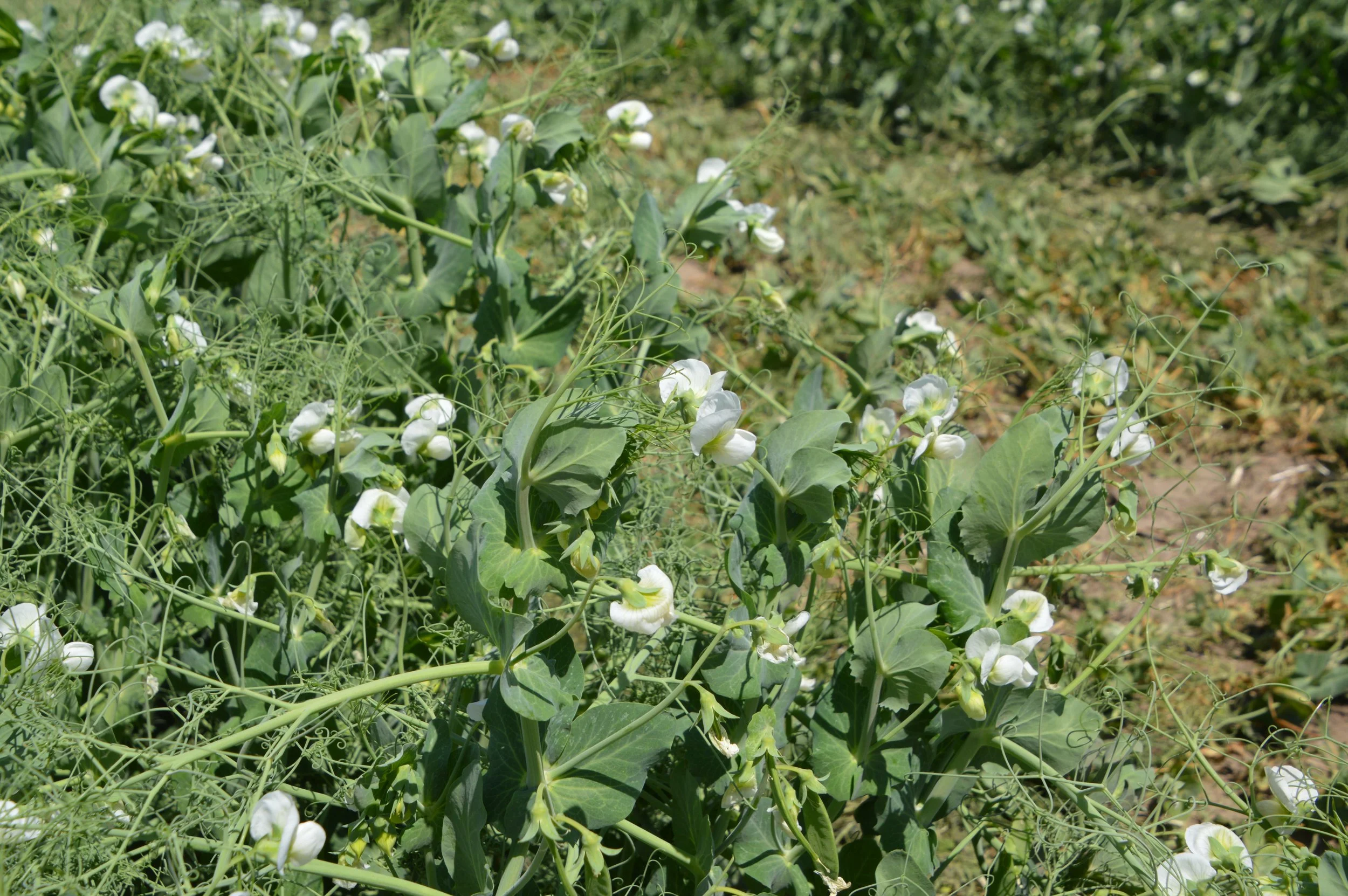
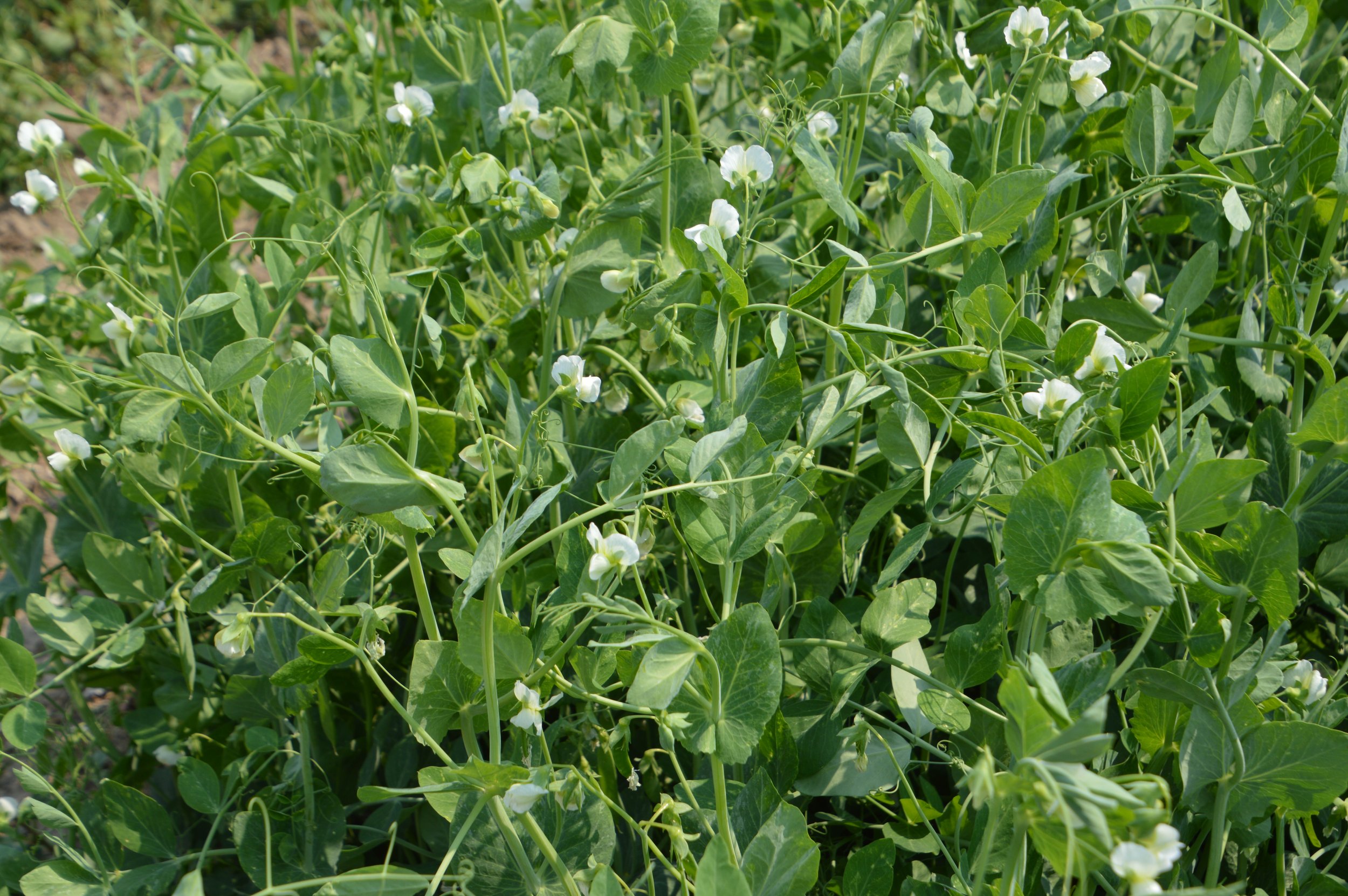
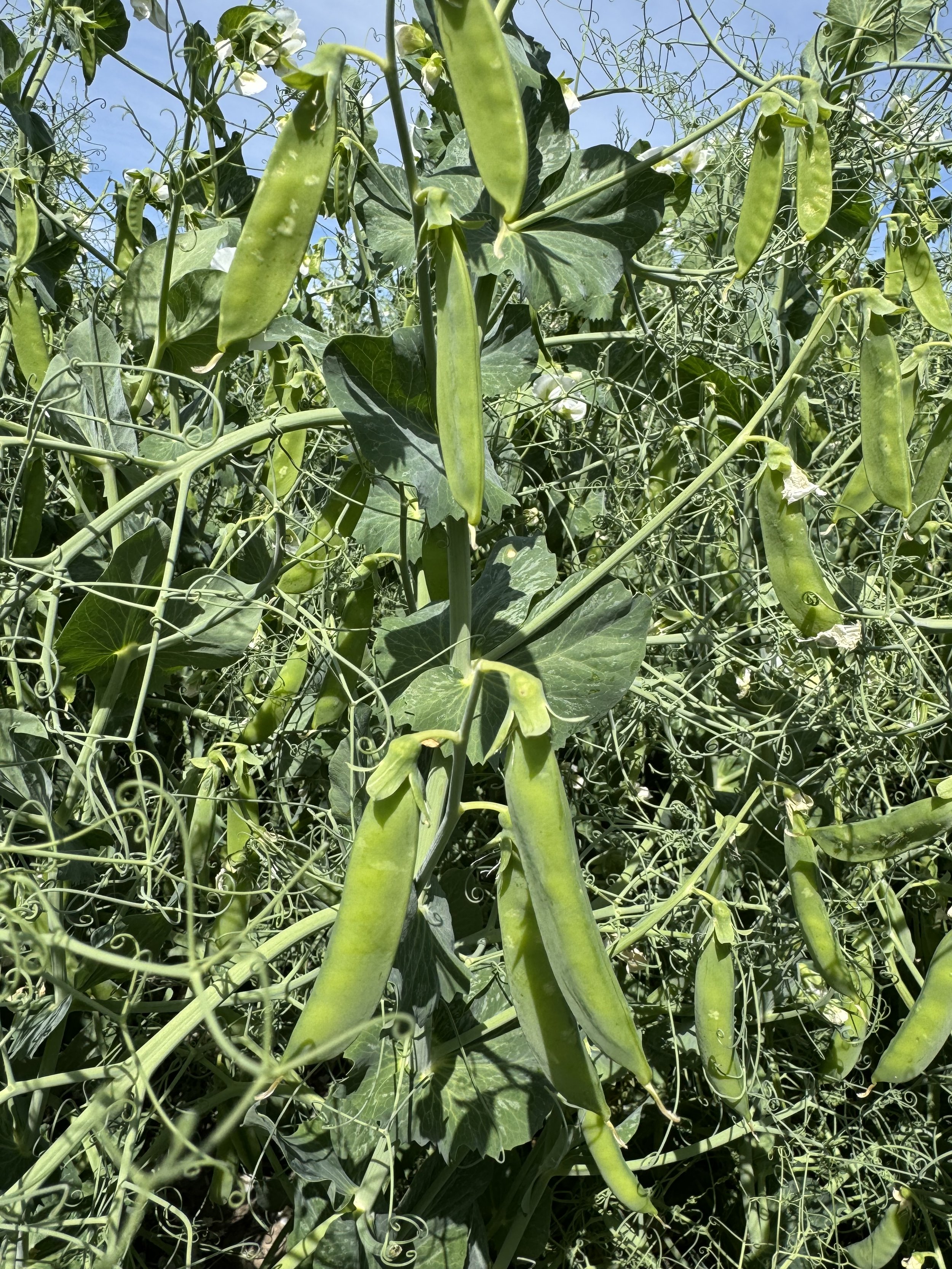
When we purchased the genetics program from Rogers Seed in 1995, what attracted us most was the potential in the winter pea breeding program. It has proven to be as exciting in potential as we thought, but also the most challenging of our dry pea programs. This area has historically had the least effort in breeding and therefore the greatest room for improvement. Our focus here is in green and yellow edible peas. This has required considerable effort in moving spring pea qualities into the winter program while maintaining or re-establishing the winter hardiness needed for this market.
Objectives:
Winter Hardiness
Increased Yields
Root Rot Tolerance
Improved Seed Quality
Phoma Tolerance
Upright Growth Habit
Useful Vocabulary and Information:
Stand-up/Semi leafless: The pea plants ability to stand better due to tendrils in place of leaves that the variety is bred to have. Useful for the plants ability to stand in harsh weather conditions such as snow.
Cotyledon: The nutrients in the seed embryo that are consumed during germination.
Seed Coat: The natural protective outer layer that encompasses the seed embryo and cotyledons.
White Flowered: The lack of Anthocyanin (a group of antioxidants found in red, purple, and blue fruits and vegetables) in the white varieties makes the plant as well as the pea more palatable for people and animals.
Spring Pea Program
ProGene Plant Research and Plant Research (NZ) Ltd of Christchurch, New Zealand, have teamed up with Crites Seed of Moscow, ID, to bring the top-quality focused breeding effort to the dry pea industry of the United States. As small breeding companies working together, our strength is in the niche of high-quality green peas.
These varieties are presented in a managed variety program, also known as a closed-loop system. This program is designed to bring added value varieties to the market and manage them to protect that added value so that everyone can share in those benefits. That includes the grower, the breeder, the seed supplier, the processor, and the end user. ProGene conducts breeding and adaptability research in all the states that grow dry peas along the Northern tier. ProGene and our breeding partner Plant Research (NZ) Ltd. are collaborating with USDA-ARS in Pullman, WA, and Plant & Food Research in Christchurch, New Zealand, to identify pea nutrition characteristics and their corresponding genes.
Cover Crop, Forage, Wildlife
We want to bring varieties with key benefits to the industry. We also want to simultaneously explore management systems that maximize those benefits for those who plant and feed our varieties. We believe that the value of each variety will earn your support as a customer.
Cover Crop: Cover cropping has been somewhat slow to reach the West Coast; however, we aim to be ahead of the game in offering cover crop varieties in an effort to reintroduce natural microbes into the soil. Our variety Pro 6101, for example, is the leading variety for producing nitrogen nodes into the soil and is a great option for providing ground cover, retaining moisture, and deep root paths for a later crop to be planted on.
Forage & Wildlife: All of our varieties are bred to be white flowered, producing significantly less anthocyanin than other pea varieties. This makes the flower and the plant more appetizing to humans and animals. Whether our peas are planted for luring deer during hunting season or for cattle feed, it is hard to resist the taste.
Though each of our three programs seems separate, we aim to achieve the highest standard of pea possible with each.